
A website is more than an online presence. For a growing business, it can become one of the most important tools for generating leads, building trust and increasing sales.
But simply having a beautiful website is not enough. Your website needs to communicate your value clearly, create confidence and make it easy for visitors to take the next step.
It makes it easier for the right visitors to understand your offer, trust your business and take meaningful action.
What Is a High-Converting Website?
A high-converting website is designed around a clear business objective. Depending on your business, that objective could be generating leads, receiving enquiries, booking consultations, increasing online sales or collecting qualified customer information.
This is where conversion-focused website design becomes important. Instead of designing pages only for appearance, every important element has a purpose.
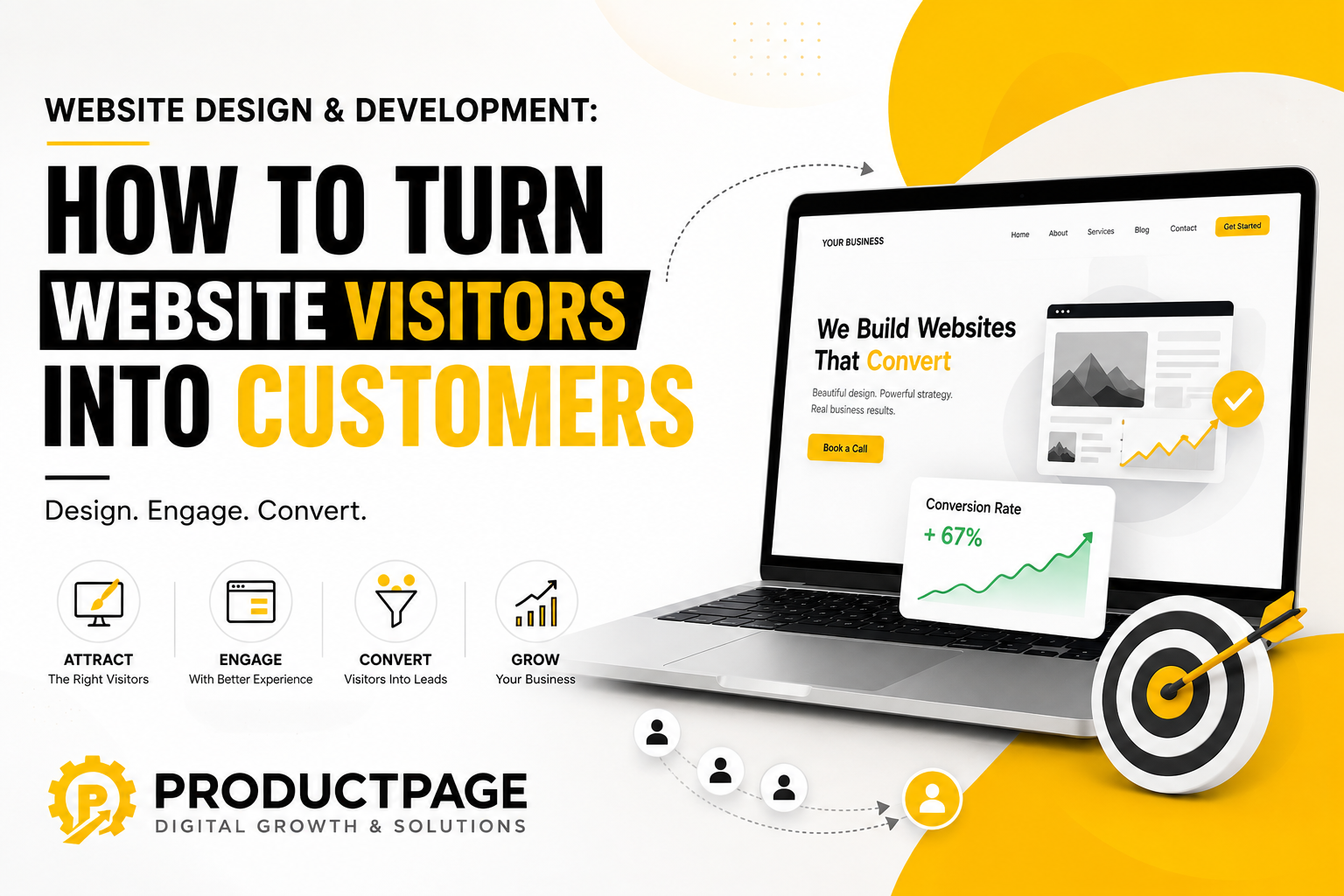
Attract
Use SEO, content and digital marketing to bring the right visitors to your website.
Engage
Use strong messaging, UX and useful content to keep visitors interested.
Convert
Guide qualified visitors toward an enquiry, purchase, booking or other business goal.
1. Start With a Clear Value Proposition
One of the biggest website design mistakes businesses make is forcing visitors to work too hard to understand what they offer.
When someone lands on your homepage, they should quickly understand what you do, who you help and why your offer matters.
Your homepage should answer three questions:
2. Design Around User Intent
Good UI/UX design isn't just about colors, animations, fonts and attractive layouts. It is about understanding what the visitor is trying to accomplish.
A person searching for website design services may be looking for a provider, while someone searching for website conversion tips may be researching a problem. Your content and landing pages should match that intent.

3. Make Website Navigation Simple
Visitors shouldn't need to explore your entire website just to figure out where to go. Your navigation should make important pages easy to discover.
Depending on the business, important pages may include Home, About, Services, Portfolio, Case Studies, Blog and Contact.
A clear website structure helps visitors move through the buying journey without unnecessary friction.
4. Build Trust Before Asking for the Sale
People rarely make important buying decisions based on design alone. They want evidence that your business can deliver what it promises.
Useful trust signals include:
5. Create Strong Calls to Action
A call-to-action tells visitors what they can do next. Instead of relying on generic buttons such as “Click Here” or “Submit”, use CTAs that communicate the value or next step clearly.
Get a Free Audit
Useful for visitors who want to understand what's holding their website back.
Book a Strategy Call
A strong option for high-intent visitors who want direct guidance.
View Our Work
Helps visitors evaluate your experience before contacting you.
6. Make Your Website Mobile-Friendly
A modern website needs to provide a smooth experience across smartphones, tablets and desktop computers.
Responsive web design should provide readable text, comfortable spacing, simple navigation, accessible buttons, optimized images and forms that are easy to complete on smaller screens.

7. Website Speed Matters
A visitor shouldn't have to wait around for your website to become usable. Large images, unnecessary scripts, excessive animations and inefficient code can all affect website performance.
Website performance should therefore be considered during website development rather than treated as an afterthought.
8. Use SEO to Attract the Right Visitors
A beautiful website doesn't automatically generate organic traffic. Search Engine Optimization helps search engines understand your pages and helps potential customers discover your business.
Important SEO elements include:
9. Build Landing Pages for Specific Campaigns
Sending every advertising visitor to your homepage isn't always the best strategy. A dedicated landing page can be built around a specific service, product, audience, offer or advertising campaign.
Keeping these elements connected makes the visitor's journey easier to understand and can reduce unnecessary friction.
10. Use Content to Answer Buying Questions
Your website shouldn't only talk about your business. It should also help potential customers make better decisions.
Useful content can include how-to guides, FAQs, comparison articles, case studies, pricing explanations, service guides and industry insights.

Website Design + SEO + CRO: A Complete Growth System
Think of your website as three connected systems.
SEO
Brings relevant visitors to your website through organic search.
UX & Design
Helps visitors understand your business and navigate the experience.
CRO
Helps qualified visitors move toward enquiries, purchases and other actions.
How to Measure Website Performance
Don't judge your website only by how it looks. Track meaningful business metrics that connect website activity with actual results.
Final Thoughts
A successful website isn't simply a collection of attractive pages. It's a carefully planned customer journey.
SEO helps people discover you. Website design helps them understand you. UX helps them navigate. Trust signals help them believe you. Conversion rate optimization helps them take action.
Ask the more important question: “Does my website make it easier for the right visitors to become customers?”
Ready to Turn More Website Visitors Into Customers?
Get a website built around your business goals, user experience and conversion opportunities.
Get Your Website Audit →Frequently Asked Questions
What is a high-converting website?
A high-converting website is designed to guide relevant visitors toward a desired action such as an enquiry, purchase, booking or lead submission.
Why is website design important for business?
Professional website design helps communicate your offer, improve user experience, build credibility and make important actions easier for visitors.
How does SEO help a website?
SEO helps relevant users discover your website through search engines and can increase organic visibility for topics and services related to your business.
What is CRO in website design?
CRO, or Conversion Rate Optimization, focuses on improving the website experience so that a greater proportion of relevant visitors complete a desired action.